
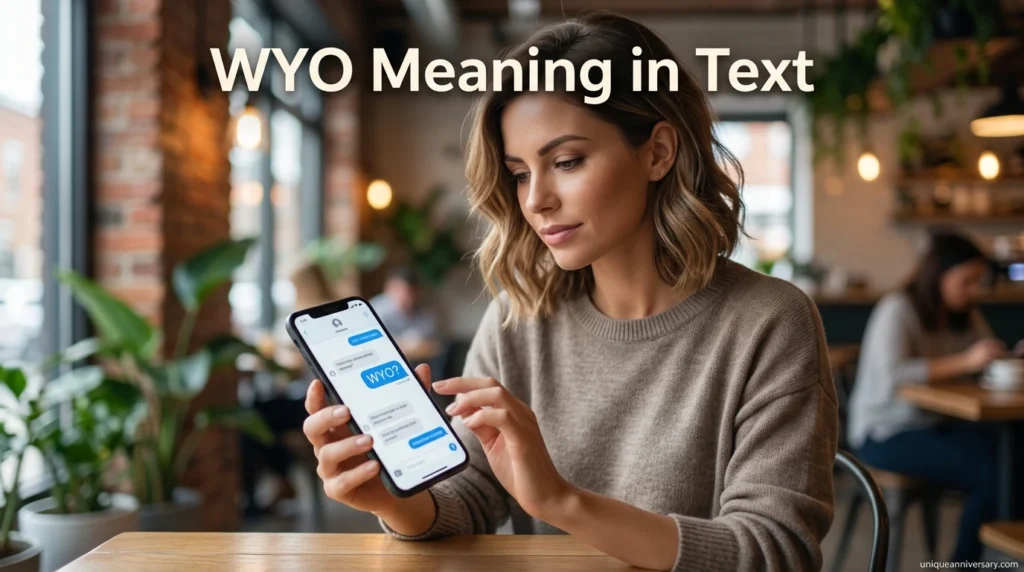
Late at night, your phone lights up with a short message: “WYO?” No punctuation. No extra words. Just three letters staring back at you.
For a moment, you pause. Is it casual? Flirty? Urgent? Friendly? In today’s world of fast texting and social media slang, tiny abbreviations can carry surprisingly big meanings depending on who sends them and when they send them. That is exactly why understanding texting language matters more than many people realize. Digital conversations move quickly, and expressions like “WYO” have become part of everyday communication among friends, classmates, coworkers, and even romantic interests.
The phrase may look confusing at first, especially if you are unfamiliar with modern internet slang. Yet once you understand it, you begin to notice it everywhere—on Snapchat, Instagram, TikTok, and text messages. More importantly, you start to understand the emotions and intentions hidden behind such short phrases.
This article explores the full meaning of “WYO” in text, how people use it in different situations, what tone it can carry, and how you can confidently respond when someone sends it to you.
What Does WYO Mean in Text?
“WYO” usually stands for “What You On?” in texting and online conversations. It is a casual slang phrase people use to ask what someone is doing, thinking about, or planning at the moment.
At first glance, it may seem confusing because it does not follow standard grammar. But texting slang often shortens phrases to make communication faster and more relaxed. Instead of typing:
- “What are you doing?”
- “What’s going on?”
- “What are you up to?”
People simply type: “WYO?”
The phrase is especially popular among younger users on Snapchat, Instagram DMs, TikTok comments, and casual texting conversations. Depending on the context, it can mean:
- What are you doing right now?
- What’s your plan?
- Are you free?
- What’s going on with you?
- What are you thinking?
For example:
“Hey, WYO tonight?”
This usually means the person wants to know your plans or whether you are available to hang out.
Unlike formal communication, texting language focuses heavily on speed and tone. “WYO” feels relaxed, conversational, and modern. It creates a sense of closeness because it sounds informal and personal rather than stiff or professional.
Understanding abbreviations like this helps people avoid confusion and communicate more naturally in digital conversations.
Why Slang Like WYO Became So Popular
Modern texting culture moves incredibly fast. People want to communicate quickly while still sounding expressive and emotionally connected. That is one reason abbreviations like “WYO” became so common.
Years ago, text messaging had character limits, and typing on older phones took longer. Shortcuts naturally developed to save time. Over time, these shortcuts evolved into a digital language of their own.
Today, slang is not only about convenience. It is also about identity and social connection.
When someone uses “WYO,” they are usually trying to sound:
- Casual
- Friendly
- Relaxed
- Modern
- Comfortable with the other person
Imagine two friends chatting online. One says:
“Good evening. What activities are you engaged in tonight?”
The other says:
“WYO tonight?”
Both ask the same thing, but the second version feels lighter, warmer, and more natural in casual conversation.
Social media platforms also helped spread these abbreviations rapidly. TikTok captions, memes, Snapchat streaks, and online gaming chats all encourage shorter communication styles. Users constantly adapt language to fit fast-moving conversations.
There is also an emotional aspect to slang. Short phrases can feel more intimate because they mimic real speech patterns. People text the way they talk with close friends.
That is why “WYO” is more than just shorthand. It reflects how digital communication has changed human interaction itself.
Different Meanings WYO Can Have Depending on Context
One fascinating thing about texting slang is that meaning changes depending on the situation. “WYO” may look simple, but its emotional tone can shift dramatically based on timing, relationship, and conversation style.
Friendly Check-In
Sometimes, “WYO?” is simply a casual way to reconnect.
Example:
“Haven’t heard from you all day. WYO?”
In this situation, the sender is probably checking in because they miss talking to you or want to continue the conversation.
Asking About Plans
Many people use “WYO” to ask if someone is available.
Example:
“WYO this weekend?”
This often means:
- Are you free?
- Do you have plans?
- Want to hang out?
Flirty Conversation
In romantic conversations, “WYO” can carry playful or flirtatious energy.
Example:
“It’s late… WYO?”
Here, the phrase may imply the sender wants attention, conversation, or emotional connection.
Boredom or Curiosity
Sometimes people send “WYO” simply because they are bored.
It acts as an easy conversation starter when someone wants interaction without overthinking what to say.
Because the phrase is flexible, understanding context becomes important. The relationship between the people involved usually reveals the true meaning behind the message.
How WYO Is Used on Social Media Platforms
Different social media apps influence how slang gets used. “WYO” appears across nearly every major platform, but the tone can vary slightly depending on where you see it.
Snapchat
Snapchat conversations are fast and casual, making “WYO” extremely common there. Users often send it while checking who is active or available.
Examples include:
- “WYO rn?”
- “WYO later?”
- “WYO bro?”
Because Snapchat emphasizes real-time communication, the phrase usually refers to current activity.
Instagram DMs
On Instagram, “WYO” often feels more social or flirty.
Someone reacting to your story might message:
“WYO tonight?”
This can signal interest in continuing the conversation beyond the post itself.
TikTok Comments
TikTok users sometimes use “WYO” jokingly or casually in comments.
For example:
“WYO if this song doesn’t make you emotional?”
Here, the phrase becomes part of internet humor and community interaction.
Gaming Chats
Gamers frequently use abbreviations during matches or group chats because speed matters. “WYO” might simply ask teammates what they are doing or planning.
Each platform shapes the phrase slightly differently, but the core meaning remains centered around curiosity and connection.
The Emotional Tone Behind WYO
Text messages may seem small, but they often carry emotional weight. “WYO” is interesting because its tone depends almost entirely on timing and relationship dynamics.
A simple message at 2 PM feels very different from the same message at midnight.
Casual and Friendly
Among friends, “WYO” feels relaxed and harmless. It signals comfort and familiarity.
It says:
“I’m thinking about you enough to start a conversation.”
Curious and Interested
Sometimes the phrase reflects genuine curiosity. The sender wants to know what is happening in your life right now.
This can strengthen relationships because small check-ins help maintain connection.
Lonely or Seeking Attention
Late-night “WYO” texts sometimes reveal boredom, loneliness, or emotional need.
Many people send quick slang messages because they want interaction but do not know how to start a deeper conversation.
Flirty or Romantic
Tone changes dramatically in romantic situations. A short “WYO?” can become playful, teasing, or emotionally intimate depending on prior conversations.
That is why understanding digital communication involves more than dictionary definitions. Emotion often hides inside small phrases.
Common Responses to WYO
People often freeze when they receive unfamiliar slang. Fortunately, responding to “WYO” is usually simple and casual.
Your response depends on your mood and relationship with the sender.
Casual Responses
If you want to keep things relaxed:
- “Just chilling.”
- “Nothing much, you?”
- “Watching Netflix.”
- “About to sleep.”
These responses maintain a friendly tone.
Interested Responses
If you want the conversation to continue:
- “Not much, what’s up with you?”
- “Trying to find something fun to do.”
- “Bored honestly.”
These answers invite further interaction.
Flirty Responses
If the conversation feels romantic:
- “Waiting for you to text me.”
- “Thinking about you.”
- “Depends… what are you on?”
Playful responses often mirror the sender’s tone.
Polite Short Responses
Sometimes you simply do not want a long conversation.
In that case:
- “Busy rn.”
- “At work.”
- “Just relaxing.”
Texting etiquette does not require complicated answers. Most people use “WYO” casually, so relaxed responses usually work best.
WYO vs WYD: Understanding the Difference
Many people confuse “WYO” with “WYD,” but they are not exactly the same.
WYD Means “What You Doing?”
This phrase focuses specifically on current activity.
Example:
“WYD right now?”
The sender wants to know exactly what you are doing.
WYO Means “What You On?”
This phrase feels broader and more flexible.
It can ask about:
- Activities
- Mood
- Plans
- Energy
- Intentions
For example:
“WYO tonight?”
This might mean:
- What are your plans?
- Are you free?
- What vibe are you on?
Emotional Difference
“WYO” often sounds more conversational and socially open. “WYD” feels more direct and activity-focused.
Think of it this way:
- WYD = What action are you doing?
- WYO = What’s going on with you overall?
Understanding these subtle differences helps people interpret digital conversations more accurately.
Situations Where Using WYO Makes Sense
Not every conversation needs slang. Knowing when to use “WYO” helps avoid awkwardness.
Conversations With Friends
This is the most natural setting.
Friends use “WYO” because it feels easy and informal.
Casual Romantic Chats
Flirty texting often relies on short slang phrases because they create relaxed interaction without sounding overly serious.
Group Chats
In group conversations, people use “WYO” to check plans quickly.
Example:
“WYO after class?”
Late-Night Conversations
Many people use “WYO” at night when starting spontaneous conversations.
The phrase works well because it is open-ended and low-pressure.
Situations to Avoid
Using “WYO” in professional settings usually feels inappropriate.
Avoid it in:
- Work emails
- Academic assignments
- Formal business communication
- Professional networking messages
Context matters. Slang works best when relationships are already casual and comfortable.
Why Younger Generations Use Text Abbreviations So Naturally
For many younger people, texting slang feels completely normal because digital communication shaped their social experiences from an early age.
Instead of lengthy conversations, modern communication often happens through:
- Quick texts
- Voice notes
- Memes
- Reactions
- Emojis
- Short slang expressions
Language evolves with technology. Just as earlier generations created slang through music, television, and regional culture, today’s generation develops language through online interaction.
Short phrases like “WYO” also match modern attention spans. People multitask constantly while texting:
- Watching videos
- Gaming
- Studying
- Working
- Browsing social media
Fast communication becomes practical.
There is also a social element. Using current slang helps people feel connected to trends and communities. It creates a sense of belonging.
Interestingly, every generation initially criticizes new slang before eventually adapting to it. What once sounded strange eventually becomes normal everyday language.
“WYO” represents this ongoing evolution of communication in the digital age.
Misunderstandings People Often Have About WYO
Because texting lacks facial expressions and vocal tone, misunderstandings happen easily.
Some people misinterpret “WYO” as rude or lazy because it is short and informal. In reality, most users see it as friendly shorthand rather than disrespect.
Assuming Romantic Intent
Not every “WYO” text is flirtatious.
Sometimes people simply want conversation or company. Overanalyzing can create unnecessary confusion.
Thinking It Means Only One Thing
Another mistake is assuming the phrase always means “What are you doing?”
In practice, it often carries broader emotional meaning depending on context.
Feeling Pressured to Respond Perfectly
Many people worry about replying correctly to slang.
The truth is digital conversations are usually relaxed. Simple responses work fine.
Generational Confusion
Older users sometimes feel excluded by internet slang because the abbreviations seem unfamiliar.
But learning phrases like “WYO” simply means adapting to changing communication styles—not losing proper language skills.
Understanding context helps reduce these misunderstandings and makes texting feel more natural.
How Texting Slang Reflects Modern Relationships
Texting slang may appear superficial, but it reveals interesting truths about human connection.
People crave interaction, attention, and emotional reassurance—even in tiny forms.
A quick “WYO?” can mean:
- “I miss talking to you.”
- “Are you free?”
- “I’m bored.”
- “I’m thinking about you.”
In earlier generations, conversations often required phone calls or face-to-face meetings. Today, relationships are maintained through constant micro-interactions.
These tiny messages keep social bonds alive throughout busy days.
There is also vulnerability hidden inside short texts. Sending “WYO” opens the door for connection without demanding emotional intensity. It feels safer than writing long emotional paragraphs.
That balance explains why slang remains so powerful in modern communication. People want closeness while still protecting emotional comfort.
The simplicity of “WYO” reflects how relationships now blend convenience, emotion, and instant accessibility.
The Role of Tone and Timing in Digital Messages
Timing changes everything in texting.
A “WYO?” message during the afternoon often feels casual. The same message at 1 AM can feel emotional, flirtatious, or lonely.
Daytime Messages
Usually practical and friendly.
Examples:
- Making plans
- Checking availability
- Starting conversation
Late-Night Messages
Often emotionally charged.
Late-night conversations tend to become:
- More honest
- More emotional
- More intimate
- More impulsive
That is why people sometimes overthink simple slang messages.
Tone Without Voice
Unlike face-to-face communication, texting removes body language and vocal cues.
Readers must interpret meaning through:
- Timing
- Word choice
- Emojis
- Conversation history
A single abbreviation can sound warm, cold, playful, or serious depending on these details.
Learning digital communication means learning emotional interpretation as much as vocabulary itself.
How to Use WYO Naturally Without Sounding Forced
Many people learn slang but feel awkward trying to use it. The key is authenticity.
Do not force internet slang into conversations where it does not fit naturally.
Use It Casually
“WYO?” works best in relaxed conversations.
Examples:
- “WYO after work?”
- “WYO tonight?”
- “WYO rn?”
Match the Other Person’s Style
If someone texts formally, suddenly using heavy slang may feel strange.
Good communication often mirrors the other person’s tone.
Avoid Overusing It
Repeating slang constantly can make conversations feel repetitive or unnatural.
Balance casual language with genuine conversation.
Remember Simplicity
Slang should make communication easier—not more confusing.
The goal is connection, not performance.
Using “WYO” naturally comes down to comfort. If it feels appropriate in the moment, it probably is.
What WYO Teaches Us About Communication Today
At first, “WYO” seems like just another internet abbreviation. But looking deeper reveals something bigger about modern life.
People today communicate faster than ever before, yet they still seek the same emotional experiences humans have always wanted:
- Attention
- Belonging
- Curiosity
- Connection
- Reassurance
Short slang phrases are modern tools for expressing timeless emotions.
A three-letter message may appear insignificant, but it often represents a genuine attempt to connect with another person in a busy digital world.
Language constantly evolves to fit human needs. Today’s texting slang serves the same purpose older conversational styles once served: helping people stay emotionally connected.
Understanding phrases like “WYO” is not only about decoding slang. It is about understanding how communication itself continues to change with technology, culture, and relationships.
Conclusion
“WYO” may be short, but its meaning stretches far beyond three simple letters. Most commonly meaning “What You On?”, the phrase has become a natural part of modern texting culture across Snapchat, Instagram, TikTok, and everyday messages. Depending on context, it can express curiosity, friendliness, boredom, flirtation, or a simple desire for connection.
What makes the phrase interesting is not just the definition itself, but the way it reflects modern communication habits. People now maintain relationships through quick digital interactions that still carry emotional meaning beneath the surface. Timing, tone, and relationship dynamics all shape how “WYO” is understood.
Whether you are seeing the term for the first time or already use it regularly, understanding its deeper context helps conversations feel more natural and less confusing. In the end, slang like “WYO” reminds us that even the shortest messages can reveal a lot about how people connect in today’s fast-moving world.
FAQs
What does WYO stand for in texting?
WYO usually stands for “What You On?” It is a slang phrase used to ask what someone is doing, planning, or thinking about.
Is WYO the same as WYD?
No. WYD means “What You Doing?” and focuses on current activity, while WYO is broader and can ask about plans, mood, or overall vibe.
Is WYO considered flirting?
Sometimes. The phrase can sound flirtatious depending on timing, tone, and relationship context, especially in late-night conversations.
Where is WYO commonly used?
People commonly use WYO on Snapchat, Instagram, TikTok, text messages, and gaming chats.
How should I respond to WYO?
You can reply casually with answers like:
- “Just chilling.”
- “Nothing much.”
- “Watching a movie.”
- “What about you?”
Is WYO rude or disrespectful?
Usually no. Most people use it casually and informally among friends or people they feel comfortable talking to.
Can older adults use WYO too?
Yes. Anyone can use texting slang once they understand the meaning and context. It is simply part of modern digital communication.
Does WYO always mean someone wants to hang out?
Not always. Sometimes people use it just to start conversation, check in, or see if you are available to talk.