
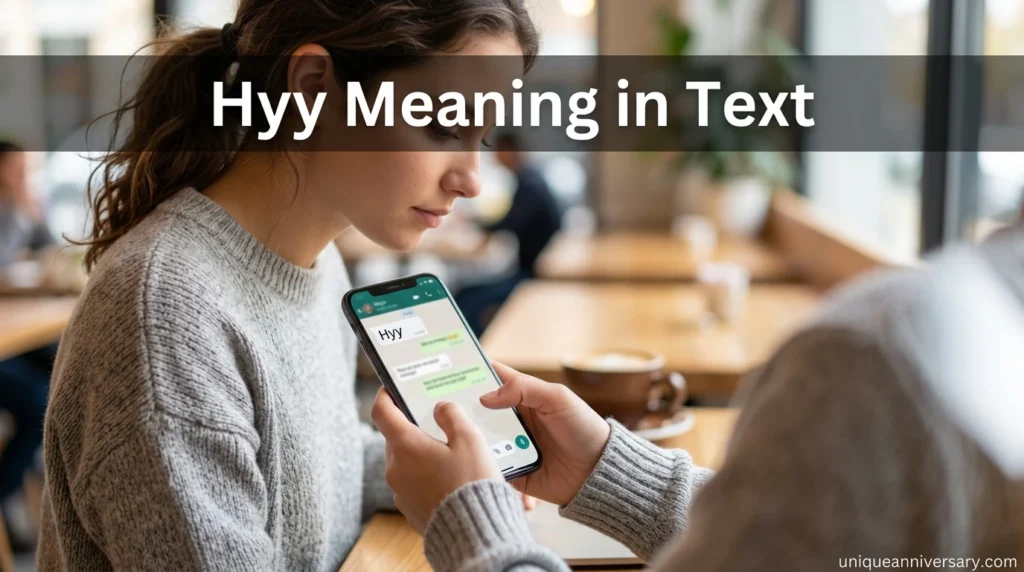
Imagine opening your phone late at night after a long, exhausting day. Among dozens of notifications, one simple message catches your eye: “hyy.” It is short, casual, and easy to overlook, yet somehow it feels different from a plain “hi.” Maybe it comes from a close friend, someone you secretly like, or even a person trying to reconnect after months of silence. Suddenly, that tiny word starts carrying meaning far beyond its three letters.
In today’s fast-moving digital world, texting has created an entirely new language of emotions, shortcuts, and hidden intentions. Small variations in spelling often change the tone of a conversation more than people realize. The phrase “hyy” is one of those subtle internet expressions that can sound friendly, playful, affectionate, shy, or even attention-seeking depending on the situation.
Understanding the hyy meaning in text is important because online communication is no longer just about words—it is about tone, mood, and emotional signals. A single extra “y” can make a message feel warmer or more personal. Whether you see it in chats, social media DMs, gaming conversations, or romantic texting, learning what “hyy” truly means can help you better understand modern communication and the emotions hidden behind simple digital expressions.
What Does Hyy Mean in Text?
At its core, “hyy” is simply an informal variation of “hey” or “hi.” People often use it in texting to sound softer, friendlier, or more emotionally expressive. Instead of typing a standard greeting, adding an extra letter changes the feeling of the message.
For example:
- “Hi” can feel neutral and direct.
- “Hey” often sounds casual and relaxed.
- “Hyy” tends to feel more playful, warm, or attention-grabbing.
In many conversations, the hyy meaning in text depends heavily on the relationship between the people chatting. A friend may use it to appear cheerful, while someone with romantic interest may use it to sound cute or emotionally inviting.
The rise of texting culture has made people more creative with spelling. Just as “heyyy” feels more excited than “hey,” the spelling “hyy” creates its own emotional tone. It often reflects personality more than grammar.
Interestingly, “hyy” is popular because it feels less formal and more human. Many people dislike robotic conversations, so they naturally alter words to express mood. In this way, “hyy” becomes more than a greeting—it becomes a digital expression of emotion.
Although simple, the word can communicate curiosity, friendliness, nervousness, excitement, or affection depending on the context. That is why understanding tone in text messaging has become so important in modern communication.
Why People Use “Hyy” Instead of “Hi”
Texting is deeply emotional, even when messages are short. People choose certain spellings because they want to shape how others feel when reading their words. “Hyy” is a perfect example of this behavior.
One major reason people use “hyy” is to make conversations feel less cold. A simple “hi” can sometimes appear dry or distant. Adding an extra letter softens the tone and creates warmth.
Imagine two messages:
- “Hi.”
- “Hyy :)”
The second instantly feels more inviting and emotionally open.
Another reason is individuality. Online communication allows people to develop their own style. Some prefer “heyyy,” others use “hii,” while many choose “hyy.” These small choices become part of personal texting identity.
Teenagers and young adults especially use such spellings to sound casual and expressive. In social media culture, creative texting styles often help conversations feel more natural and emotionally connected.
There is also an element of attention-seeking involved. Sometimes people intentionally type “hyy” because they want the message to stand out. It can subtly signal interest or encourage the other person to respond warmly.
In romantic situations, “hyy” often carries emotional softness. It may indicate shyness, flirtation, or a desire for connection without sounding too direct.
Ultimately, people use “hyy” because modern texting is about emotional tone as much as actual words. Tiny spelling changes help people express feelings that might otherwise remain hidden.
The Emotional Tone Behind “Hyy”
One fascinating aspect of digital communication is how emotions are hidden inside tiny details. The hyy meaning in text often depends less on the word itself and more on the emotional atmosphere surrounding it.
Friendly and Cheerful Tone
Sometimes “hyy” simply reflects happiness. A person may use it when excited to talk or when trying to sound positive and welcoming.
For instance: “Hyy! How was your day?”
This feels energetic and emotionally warm.
Romantic or Flirty Tone
In many situations, “hyy” carries flirtatious energy. People often soften greetings when they like someone romantically. The extra letter can make the message feel cute or playful.
A late-night “hyy” from someone special may suggest emotional interest rather than casual conversation.
Nervous or Shy Tone
Interestingly, “hyy” can also signal nervousness. Someone who feels awkward starting a conversation may use it to appear softer and less formal.
Instead of boldly typing: “Hey, I need to talk to you.”
They might simply send: “Hyy…”
This creates emotional gentleness.
Attention-Seeking Tone
Sometimes people send “hyy” because they want attention without directly asking for it. It can act as a conversation starter when someone feels lonely, bored, or emotionally curious.
These emotional layers explain why such a tiny word can feel meaningful in modern digital relationships.
How Context Changes the Meaning of “Hyy”
No text expression exists in isolation. Context completely changes interpretation. The same “hyy” can feel friendly in one conversation and romantic in another.
Suppose your coworker sends: “Hyy, can you send the file?”
This is probably casual friendliness.
But if someone texts: “Hyy, awake?”
late at night, the tone may feel more personal or emotionally charged.
Context includes:
- Timing
- Relationship
- Conversation history
- Emojis
- Writing style
- Frequency of messages
For example, if a person rarely texts you but suddenly sends “hyy,” it may signal curiosity or renewed interest. Meanwhile, close friends may use it daily without deeper meaning.
Social media platforms also affect interpretation. On apps like Snapchat or Instagram, playful spellings are common. In professional environments, however, “hyy” may appear overly informal.
Tone markers matter too. Compare these:
- “Hyy!”
- “Hyy…”
- “Hyy 😂”
- “Hyy ❤️”
Each creates a completely different emotional feeling.
This is why understanding the hyy meaning in text requires emotional awareness, not just dictionary definitions. Online communication relies heavily on subtle social clues.
“Hyy” in Friendships
Friendships often develop their own texting language. Among friends, “hyy” usually symbolizes comfort, closeness, and casual communication.
Close friends rarely worry about perfect spelling or grammar. Instead, conversations become relaxed and expressive. A simple “hyy” may reflect familiarity and emotional ease.
For example, a friend might text: “Hyy bestie, guess what happened today!”
The greeting instantly creates an energetic and friendly atmosphere.
In many cases, friends use playful spelling to maintain emotional warmth in conversations. Since texting lacks facial expressions and voice tone, people compensate by changing words creatively.
“Hyy” may also appear during emotional moments. A friend checking in after a difficult day might use a softer greeting to sound caring rather than formal.
When Friends Use “Hyy” Frequently
Some friendship groups naturally adopt texting habits together. If everyone uses expressions like “hyy,” “hii,” or “heyyy,” the style becomes part of group culture.
This creates a sense of belonging and emotional familiarity.
When It Feels Different
However, context matters. If a friend suddenly changes from “hi” to “hyy,” you might notice a shift in tone. Sometimes it means they are becoming more emotionally expressive—or perhaps trying to deepen the connection.
These subtle changes are part of why digital communication can feel emotionally complex despite using very few words.
“Hyy” in Romantic Conversations
One of the most common places people encounter “hyy” is in flirting and romantic texting. In relationships, tiny spelling choices often carry hidden emotional signals.
A person interested in someone romantically may avoid formal greetings because they want to sound softer and more emotionally inviting. “Hyy” helps create that effect.
Consider this message: “Hyy, what are you doing?”
Compared to: “Hi, what are you doing?”
The first feels more personal and emotionally open.
Why “Hyy” Feels Flirty
The word often appears playful and slightly shy. Many people use it to test emotional interest without being overly direct. It acts like a gentle conversation opener.
Late-night “hyy” messages are especially common in romantic situations because they feel intimate and relaxed.
Emotional Curiosity
Sometimes “hyy” is less about flirting and more about emotional curiosity. Someone may want attention, companionship, or connection but feel uncertain about expressing deeper emotions.
The greeting becomes a safe emotional starting point.
Softening Communication
Romantic texting often involves emotional sensitivity. People use softer spellings to avoid sounding cold or robotic. Even small details can change how affection is perceived.
This explains why understanding the hyy meaning in text can help people better interpret online relationships and emotional dynamics.
Common Misunderstandings About “Hyy”
Because texting lacks vocal tone and facial expressions, misunderstandings happen easily. “Hyy” is no exception.
Some people assume every “hyy” message is flirtatious, but that is not always true. Many individuals simply use expressive spelling naturally without romantic intentions.
Others may view “hyy” as immature or overly casual, especially in professional conversations. Context determines whether it feels appropriate.
Misreading Emotional Intentions
One common mistake is overanalyzing small details. A person may send “hyy” casually, while the receiver interprets it as emotional interest.
Digital communication often creates these emotional ambiguities because people rely heavily on assumptions.
Cultural Differences
Different cultures and age groups interpret texting styles differently. Younger users may see “hyy” as normal conversation, while older individuals may find it unusual or confusing.
Personality Differences
Some people naturally text in expressive ways:
- “hiii”
- “heyyy”
- “hyy”
Others prefer simple, direct communication.
Understanding personality matters before assigning emotional meaning to a message.
The key lesson is balance. While texting styles can reveal emotion, they should not always be treated as definitive emotional evidence.
How Social Media Influenced Expressions Like “Hyy”
The internet has transformed language dramatically. Social media platforms encourage faster, more expressive, and emotionally creative communication.
Apps like Snapchat, Instagram, TikTok, and WhatsApp helped popularize informal greetings such as “hyy.” On these platforms, people often aim to sound relaxed, fun, and emotionally approachable.
Shortened words and playful spellings evolved because typing quickly became part of online culture. Over time, these variations gained emotional significance.
The Rise of Digital Personality
Online conversations allow people to shape identity through writing style. Some users intentionally type in cute or playful ways because it reflects their personality.
“Hyy” can therefore become part of someone’s digital image.
Emotional Expression Without Voice
Since texting removes vocal tone, users compensate creatively. Extra letters help simulate emotion.
For example:
- “hey” = casual
- “heyyy” = excited
- “hyy” = soft and friendly
These small differences help readers emotionally interpret messages.
Influence of Internet Trends
Internet trends also spread language rapidly. Once certain texting styles become popular among influencers, celebrities, or peer groups, millions adopt them naturally.
That is why modern internet slang evolves so quickly and continues changing every year.
Different Variations Similar to “Hyy”
The digital world is filled with variations of greetings, each carrying slightly different emotional tones. Understanding them helps clarify the hyy meaning in text even more deeply.
“Hi”
Simple, neutral, and direct. Often professional or emotionally balanced.
“Hey”
Casual and relaxed. Common among friends.
“Heyyy”
Usually energetic, excited, or flirtatious.
“Hii”
Soft and friendly. Sometimes shy or affectionate.
“Yo”
Confident, informal, and energetic.
“Sup”
Extremely casual and conversational.
Interestingly, people unconsciously choose greetings based on emotional intention. Even when they do not realize it, spelling reflects mood and personality.
Someone feeling excited may naturally add extra letters. Someone feeling emotionally distant may keep greetings short and dry.
These subtle language patterns reveal how deeply emotions influence modern texting behavior.
When “Hyy” Feels Genuine and Meaningful
Not every message carries emotional depth, but sometimes a simple “hyy” genuinely matters.
Imagine feeling lonely after a difficult day. Suddenly, someone texts: “Hyy, just checking on you.”
The word instantly feels comforting because it carries emotional warmth.
Meaning often comes from intention rather than vocabulary. A caring message does not need complicated language to feel powerful.
Emotional Presence Matters
People remember messages that feel emotionally sincere. Even casual greetings can create connection when sent with genuine care.
Small Words Can Build Relationships
Relationships are often strengthened through consistent small interactions:
- Morning texts
- Random check-ins
- Friendly greetings
- Thoughtful conversations
“Hyy” may seem tiny, but repeated warmth builds emotional trust over time.
The Human Need for Connection
At its heart, texting exists because people want connection. Whether through friendships, romance, or casual chats, simple greetings help maintain emotional bonds in busy lives.
That emotional purpose is what gives words like “hyy” significance beyond grammar.
Situations Where “Hyy” May Sound Inappropriate
Although “hyy” works well in casual conversations, it is not suitable everywhere.
Professional environments usually require clearer and more formal communication. Sending “hyy” to a boss, client, or teacher may appear overly informal or immature.
For example: “Hyy professor”
might feel less respectful than: “Hello Professor.”
Formal Conversations
Business communication values clarity and professionalism. Informal spellings can sometimes create misunderstandings or reduce credibility.
Serious Emotional Situations
During serious conversations, playful greetings may feel emotionally mismatched.
For example, discussing important family issues with: “Hyy lol”
could appear insensitive.
Different Communication Expectations
Some individuals simply prefer direct communication. They may interpret expressive spellings as unnecessary or confusing.
Understanding your audience matters in all forms of communication.
The lesson is not that “hyy” is wrong—it simply fits certain emotional and social settings better than others.
How Texting Language Reflects Human Psychology
The popularity of words like “hyy” reveals fascinating truths about human psychology and communication.
People naturally seek emotional closeness. Since texting removes facial expressions and vocal tone, humans creatively adapt language to restore emotional nuance.
Extra letters become emotional signals.
The Desire to Feel Seen
Many texting habits reflect the need for attention, validation, or connection. A soft greeting can subconsciously invite warmth from others.
Fear of Sounding Cold
People often avoid dry communication because it risks emotional distance. Variations like “hyy” soften conversations and make interactions feel safer.
Digital Communication as Emotional Expression
Modern texting is no longer purely informational. It has become deeply emotional and psychological.
Even punctuation changes meaning:
- “Okay.”
- “Okay!”
- “Okay :)”
Each creates different emotional interpretations.
“Hyy” exists within this larger system of emotional digital language that people continuously shape and redefine.
Practical Tips for Understanding Text Tone Better
Understanding digital tone is an important modern skill. Misreading messages can easily create confusion, anxiety, or false assumptions.
Focus on Overall Behavior
Instead of analyzing one “hyy,” observe overall communication patterns:
- Do they message consistently?
- Are conversations meaningful?
- Do they show genuine interest?
Context matters more than individual words.
Avoid Overthinking Every Detail
Texting can sometimes encourage emotional overanalysis. Remember that many people use expressive spellings casually without hidden intentions.
Ask for Clarity When Necessary
If a conversation feels emotionally confusing, honest communication is healthier than endless guessing.
Pay Attention to Emotional Consistency
Tone becomes clearer over time. Genuine emotional interest usually appears through repeated effort, care, and engagement—not just one greeting.
Learning these habits helps people navigate modern communication with more confidence and emotional understanding.
Why Tiny Words Can Have Big Meaning
It may seem surprising that a three-letter word deserves so much discussion, yet digital communication has transformed how humans express emotion.
Tiny details now shape relationships, friendships, and emotional experiences online.
“Hyy” represents more than slang. It reflects:
- Human creativity
- Emotional nuance
- Desire for connection
- Personal identity
- Modern communication culture
People continuously reshape language to fit emotional needs. A small spelling variation can completely change how a message feels.
That is the beauty—and complexity—of texting culture.
In many ways, expressions like “hyy” show that communication is not only about information. It is about making others feel noticed, welcomed, understood, or emotionally connected.
Conclusion
Understanding the hyy meaning in text goes far beyond defining a casual greeting. While the word may appear simple, it carries emotional tone, personality, context, and sometimes even hidden intentions. Depending on the situation, “hyy” can sound friendly, playful, affectionate, shy, or flirtatious. Its meaning changes based on timing, relationships, writing style, and emotional atmosphere.
Modern digital communication has transformed language into something deeply expressive. Small spelling changes now help people communicate warmth, curiosity, and connection in ways traditional words sometimes cannot. That is why tiny expressions often feel surprisingly meaningful.
At the same time, it is important not to overanalyze every message. Real understanding comes from observing consistent behavior, emotional sincerity, and overall communication patterns. In the end, “hyy” reminds us that even the smallest words can carry human emotion, and in a world driven by screens and messages, emotional connection still matters more than perfect grammar.
FAQs
What is the exact hyy meaning in text?
“Hyy” is usually an informal variation of “hi” or “hey.” It often sounds softer, friendlier, or more expressive than a standard greeting.
Is “hyy” considered flirting?
Sometimes. In romantic conversations, “hyy” can feel playful or flirtatious, but many people also use it casually with friends.
Why do people type “hyy” instead of “hi”?
People often use “hyy” to sound warmer, cuter, more relaxed, or emotionally expressive in text conversations.
Does “hyy” have a hidden meaning?
Not always. Its meaning depends heavily on context, tone, relationship dynamics, and the overall conversation.
Is “hyy” appropriate in professional communication?
Usually no. Professional conversations generally require more formal greetings like “hello” or “hi.”
What is the difference between “hey” and “hyy”?
“Hey” feels casual and direct, while “hyy” often sounds softer, more playful, or emotionally expressive.
Can “hyy” mean someone misses you?
In some situations, yes. A person may use “hyy” to reconnect emotionally or start a conversation gently after time apart.
Why do texting spellings matter so much today?
Because digital communication lacks facial expressions and vocal tone, people use creative spelling to express emotion and personality more clearly.