
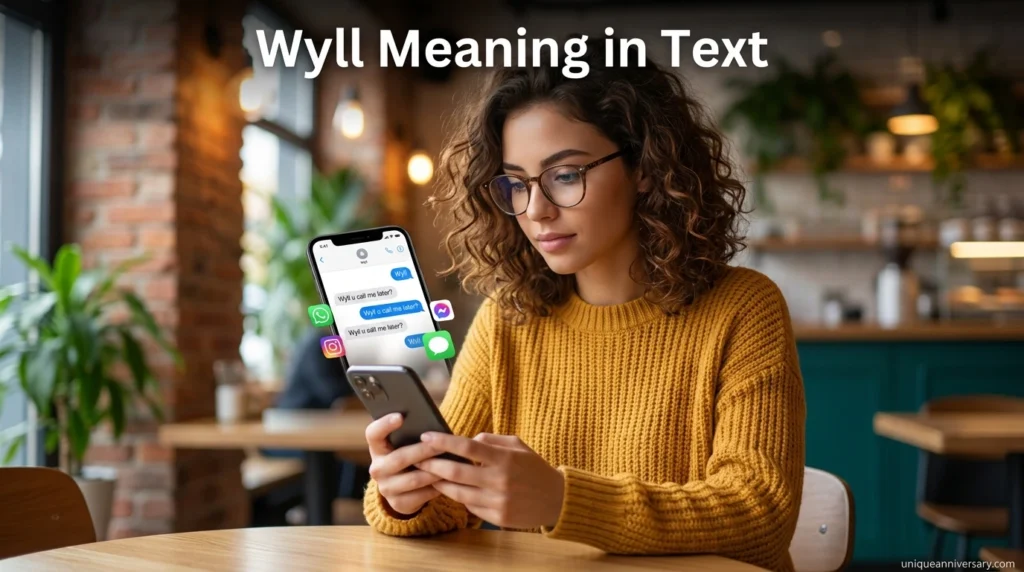
Have you ever opened a chat, seen someone casually type “wyll,” and suddenly felt like you missed a secret rule of the internet? Maybe the conversation was moving quickly, emojis were flying, and then this tiny four-letter slang appeared out of nowhere. You paused for a second, wondering whether it was a typo, a joke, or some new social media code everyone understands except you.
That moment is more common than people admit. Online language changes fast, especially on platforms like Snapchat, TikTok, Instagram, and texting apps where short expressions become trends overnight. One of those expressions is “wyll.” At first glance, it looks confusing, but once you understand it, you start noticing it everywhere in digital conversations.
The meaning of “wyll” goes beyond simple slang. It reflects how people connect online, how curiosity works in digital communication, and how younger generations create shortcuts that feel casual, playful, and emotionally layered at the same time. Understanding “wyll” can help you avoid awkward misunderstandings, communicate naturally in chats, and better understand modern internet culture.
In this article, we’ll explore what “wyll” means in text, where it came from, how people use it, what emotions it can carry, and why it has become such a recognizable part of online conversations.
What Does Wyll Mean in Text?
The slang term “wyll” usually stands for “what you look like.” It is commonly used in texting and social media conversations when someone wants to know another person’s appearance.
Instead of typing a full sentence like “What do you look like?” users shorten it to “wyll” for speed and convenience. The phrase is especially popular in casual chats between people who recently met online.
For example:
- “You seem cool lol, wyll?”
- “We’ve been talking for days and I still don’t know wyll.”
- “Send a pic? Wyll?”
In many situations, the phrase acts like a digital icebreaker. Someone may use it after a few friendly conversations when curiosity naturally grows. It often appears in Snapchat conversations, gaming chats, dating apps, TikTok DMs, and Instagram messages.
The interesting thing about “wyll” is that it sounds casual, but it can carry different intentions depending on the tone of the conversation. Sometimes it is playful curiosity. Other times it may signal attraction, interest, or a desire to make the interaction feel more personal.
Because texting lacks facial expressions and body language, people often search for visual connection. “Wyll” becomes a shortcut for moving the conversation from anonymous texting toward a more real and personal interaction.
Understanding that emotional layer helps explain why this slang became so popular online.
Why “Wyll” Became Popular on Social Media
Internet slang spreads quickly when it saves time and feels socially trendy. “Wyll” exploded in popularity because it fits perfectly into fast-moving digital communication.
On apps like Snapchat and TikTok, conversations often happen rapidly. People send short replies, abbreviations, memes, and slang instead of complete sentences. Typing “wyll” feels faster and more natural than asking a formal question.
Another reason for its popularity is curiosity culture online. Many friendships and connections begin without people seeing each other. Someone may know another person’s humor, personality, or interests before knowing their appearance. Eventually, curiosity appears, and “wyll” becomes an easy way to ask.
There is also a social trend aspect. Teenagers and young adults often enjoy using language that feels current and culturally relevant. Slang creates a sense of belonging. Knowing terms like “wyll” can make someone feel socially connected and digitally aware.
The phrase also gained attention through viral TikTok videos, memes, and screenshots of funny conversations. Once enough creators began using it publicly, more users copied the expression into their own texting habits.
Interestingly, internet slang survives because it feels emotionally efficient. One small word can communicate curiosity, attraction, interest, and casual friendliness all at once. “Wyll” works because it carries more emotional meaning than its four letters suggest.
The Emotional Meaning Behind “Wyll”
Although “wyll” literally means “what you look like,” emotionally it often means much more.
When someone asks “wyll,” they are usually trying to deepen the connection. Online conversations can sometimes feel distant because people interact through words alone. Asking about appearance adds a human element to the interaction.
Curiosity and Interest
Most commonly, “wyll” reflects genuine curiosity. Imagine two people talking late at night for several days. They laugh at the same jokes, exchange stories, and feel comfortable with each other. Eventually, one person wonders what the other actually looks like.
Instead of making the question formal or awkward, they casually type: “wyll?”
The shortness makes the moment feel lighter and less serious.
Attraction and Flirting
In many cases, “wyll” carries flirtatious energy. Someone may ask because they are romantically interested or physically curious.
For example:
- “You’re funny ngl, wyll?”
- “You sound attractive lol wyll.”
The phrase becomes part of online flirting culture where attraction develops gradually through texting.
Seeking Authenticity
Sometimes people use “wyll” simply to confirm that the person is real. Online spaces contain fake profiles, filters, and anonymous accounts. Asking “wyll” may be a subtle way to verify identity or build trust.
This emotional layer explains why the phrase became such a common part of digital communication.
How People Commonly Use Wyll in Conversations
The meaning of “wyll” changes slightly depending on the situation and relationship between the people chatting.
Casual Friendly Conversations
Friends may use the phrase jokingly after talking online for a while.
Example:
- “Bro we game every night and I still don’t know wyll.”
Here, the tone feels humorous and relaxed.
Romantic or Flirty Chats
In dating conversations, the phrase often appears after emotional chemistry develops.
Example:
- “You seem cute honestly…wyll?”
The question becomes more personal because attraction is involved.
Group Chats and Social Humor
Sometimes people use “wyll” ironically in memes or funny group conversations.
For example:
- “He talks big for someone whose wyll remains a mystery.”
Internet humor often exaggerates slang expressions, making them more entertaining and recognizable.
Gaming Communities
Gaming friendships frequently begin anonymously. Players may spend weeks talking without sharing personal details. Eventually someone asks “wyll” out of curiosity.
This shows how online identity evolves gradually from voice, humor, and personality toward visual familiarity.
The flexibility of “wyll” is part of what keeps it alive in internet culture. It can sound playful, curious, flirtatious, or even comedic depending on the context.
Situations Where Using “Wyll” Can Feel Awkward
Even though “wyll” is common slang, timing matters. In some situations, asking it too quickly may feel uncomfortable or intrusive.
Imagine meeting someone online and immediately asking “wyll” within minutes. That can sometimes make the interaction feel appearance-focused instead of personality-focused.
Some people may interpret the question as shallow, especially if no real conversation happened beforehand.
When the Conversation Feels Too New
A sudden “wyll?” early in a chat may create pressure. The other person may feel judged before trust develops.
For example:
- “Hey.”
- “Hi.”
- “wyll?”
That exchange can feel abrupt because emotional comfort has not yet formed.
When Someone Values Privacy
Not everyone likes sharing pictures online. Some users prefer anonymity or simply feel cautious around strangers. Repeatedly asking “wyll” after someone avoids the question can appear disrespectful.
Misreading the Tone
Texting lacks tone of voice. A playful message can accidentally sound demanding or awkward. Someone may mean “wyll” casually, but the receiver interprets it differently.
That’s why emotional awareness matters in digital communication. Internet slang may be short, but human emotions behind it are still complex.
The Difference Between Wyll and Similar Internet Slang
Modern texting contains countless abbreviations, and many people confuse them with one another. Understanding the difference helps conversations feel more natural.
Wyll vs WYD
“WYD” means “what are you doing.”
Example:
- “Hey, wyd tonight?”
This asks about activities, not appearance.
Wyll vs WYA
“WYA” means “where you at.”
It usually asks about location.
Example:
- “Wya rn?”
Wyll vs Face Reveal
A “face reveal” is more public and dramatic. Content creators often use the phrase when finally showing their appearance online.
“Wyll” feels more casual and personal between individuals.
Wyll vs Send Pic
“Send pic” is direct and blunt.
“Wyll” feels softer and more conversational because it implies curiosity rather than demanding a photo outright.
These subtle differences matter because internet slang often depends on tone and social context more than literal definitions.
How Younger Generations Shape Internet Language
The rise of terms like “wyll” reveals something bigger about modern communication. Younger generations constantly reshape language to match digital life.
Texting culture values:
- Speed
- Simplicity
- Humor
- Emotional efficiency
Instead of writing complete sentences, users shorten phrases into quick expressions that still communicate emotion and personality.
Years ago, phrases like “LOL,” “BRB,” and “OMG” seemed confusing too. Now they are universally recognized. Internet slang evolves in waves, and “wyll” belongs to the current generation of abbreviated communication.
Social media accelerates this evolution. A phrase used in one viral TikTok video can suddenly appear in millions of conversations worldwide.
What makes internet language fascinating is its creativity. People compress entire emotional ideas into tiny phrases:
- “wyll”
- “wyd”
- “fr”
- “imo”
- “ngl”
These terms are not random laziness. They are part of a constantly evolving digital dialect shaped by culture, trends, humor, and technology.
Understanding slang helps people navigate online spaces more confidently and connect more naturally with modern communication styles.
What Someone Might Really Mean When They Ask “Wyll”
Sometimes the literal meaning is only half the story. The real intention behind “wyll” often depends on emotional context.
They Want to Feel Closer
People naturally become curious about those they emotionally connect with online. Asking “wyll” may signal growing comfort and trust.
They Are Testing Attraction
In flirty conversations, appearance curiosity often reflects romantic interest.
Someone might already enjoy the conversation emotionally but now wonders about physical attraction too.
They Want Confirmation
Online anonymity creates uncertainty. Asking “wyll” may help someone feel reassured that the other person is genuine.
They Are Following Social Norms
Sometimes people ask simply because it feels expected in online conversations. They may not even care deeply about appearance but see the question as a normal step in getting to know someone.
This emotional complexity explains why the same word can feel sweet in one conversation and awkward in another.
Should You Reply to “Wyll”?
There is no universal rule. Your response depends entirely on comfort, trust, and personal boundaries.
If you feel comfortable, you might:
- Send a selfie
- Share a casual photo
- Joke about it playfully
Example:
- “Lol patience.”
- “Maybe later.”
- “You first 😂”
If you do not feel comfortable, that is perfectly valid too.
Setting Boundaries Online
You never owe anyone personal photos or private information. Healthy digital communication respects comfort levels.
A simple response like:
- “I don’t really send pics online.”
- “Maybe after we talk more.”
is completely acceptable.
Trust Your Instincts
If someone becomes pushy or disrespectful after asking “wyll,” that behavior matters more than the slang itself.
Good conversations involve mutual respect, not pressure.
Understanding this can help people navigate online interactions more confidently and safely.
How Wyll Reflects Modern Online Relationships
Digital communication has changed how relationships form. Many people now build emotional connections before ever meeting face-to-face.
“Wyll” exists because modern relationships often begin through:
- Gaming communities
- Social media
- Group chats
- Dating apps
- Online fandoms
Years ago, appearance usually came first in social interaction. Today, personality, humor, and texting style may come first instead.
Someone may know:
- your favorite music,
- your late-night thoughts,
- your sense of humor,
- your daily routines,
before knowing your appearance.
That creates a unique kind of curiosity. “Wyll” becomes a bridge between emotional connection and visual familiarity.
In some ways, the phrase reflects how human relationships adapt to technology. Even in fast-paced digital spaces, people still seek authenticity, closeness, and emotional understanding.
The slang may seem small, but it represents a larger cultural shift in communication and relationships.
Common Misunderstandings About Wyll
Many people misunderstand “wyll,” especially when first encountering the term online.
Thinking It Is Offensive
By itself, “wyll” is not inherently rude or offensive. Tone and timing determine whether it feels respectful or uncomfortable.
Assuming It Always Means Flirting
Although often flirtatious, not every use of “wyll” is romantic. Friends and gaming partners use it casually too.
Believing Everyone Knows It
Internet slang changes quickly. Many users genuinely have no idea what “wyll” means, especially across different age groups.
Treating It Too Seriously
Sometimes “wyll” is simply playful internet chatter without deep emotional meaning.
Understanding context matters more than memorizing definitions.
The Psychology of Curiosity in Online Communication
Human beings are naturally curious about one another. “Wyll” taps directly into that instinct.
When conversations happen without physical presence, the brain begins filling in gaps. People imagine voices, expressions, and appearances based on personality and texting style.
This creates anticipation.
The Mystery Effect
Online anonymity can make conversations feel exciting because mystery increases curiosity. The longer someone remains unseen, the stronger curiosity may grow.
Emotional Connection Before Appearance
Interestingly, digital communication sometimes reverses traditional attraction patterns. Instead of appearance leading to conversation, conversation leads to curiosity about appearance.
That emotional sequence explains why “wyll” often appears after extended chatting rather than immediately.
The Human Need for Realness
People want to feel they are talking to a real person, not just a username on a screen. Seeing someone’s face creates emotional grounding and authenticity.
“Wyll” may be slang, but psychologically it reflects deeper human desires:
- connection,
- trust,
- curiosity,
- and emotional closeness.
How to Use Wyll Naturally Without Sounding Awkward
Using internet slang effectively depends on timing and tone.
Build Conversation First
The best moments for “wyll” usually happen after genuine interaction. A little comfort makes the question feel natural instead of forced.
Keep the Tone Light
Playfulness helps.
For example:
- “Okay but now I’m curious…wyll? 😂”
Humor softens the interaction.
Respect the Response
If someone avoids the question or says no, respect that immediately. Comfort matters more than curiosity.
Avoid Overusing Slang
Too much slang can make conversations feel unnatural or difficult to understand. Balance casual language with authentic communication.
The goal of slang is connection, not confusion.
Why Understanding Slang Like Wyll Actually Matters
At first glance, internet slang may seem unimportant. But language shapes social connection.
Understanding terms like “wyll” helps people:
- communicate confidently online,
- avoid misunderstandings,
- understand digital culture,
- and connect more naturally across generations.
Slang also reflects social trends and emotional behavior. The words people invent reveal how communication evolves over time.
For parents, teachers, marketers, and even casual social media users, understanding modern slang provides insight into how younger generations think and interact.
More importantly, it reminds us that communication constantly changes. Every generation creates new shortcuts, expressions, and cultural phrases that reflect their world.
“Wyll” is simply one small piece of that larger story.
Conclusion
The meaning of “wyll” in text may seem simple at first, but the phrase represents much more than a quick internet abbreviation. Standing for “what you look like,” it reflects curiosity, attraction, trust, and the evolving nature of online relationships. Whether used playfully among friends, flirtatiously in DMs, or casually in gaming chats, the term has become part of modern digital language.
Understanding “wyll” is not just about decoding slang. It is about understanding how people connect in online spaces where personality often appears before appearance. The phrase highlights the emotional layers hidden inside short messages and shows how internet culture continues reshaping communication.
As online conversations evolve, slang terms like “wyll” will continue appearing and changing. Staying aware of these expressions helps people communicate more naturally, avoid confusion, and better understand the social dynamics of digital life. Sometimes even four tiny letters can reveal a surprisingly deep story about human connection.
FAQs
What does wyll mean in texting?
“Wyll” usually means “what you look like.” It is commonly used in chats when someone wants to know another person’s appearance.
Is wyll used for flirting?
Sometimes yes. Many people use “wyll” in flirty conversations, especially after building emotional chemistry online.
Is wyll rude?
Not necessarily. The phrase itself is not rude, but timing and tone matter. Asking too aggressively or too early may feel uncomfortable.
Where is wyll most commonly used?
The slang appears frequently on Snapchat, TikTok, Instagram DMs, gaming chats, and texting apps.
Should I send a picture if someone says wyll?
Only if you feel comfortable. You are never obligated to share photos online.
Is wyll popular among teenagers?
Yes. The term is especially popular among teenagers and young adults who regularly use internet slang in digital conversations.
Can wyll mean something else?
In most texting situations, it means “what you look like,” though context always matters in online slang.
Why do people use wyll instead of full sentences?
People use slang like “wyll” because it is faster, trendier, and feels more casual in online conversations.