
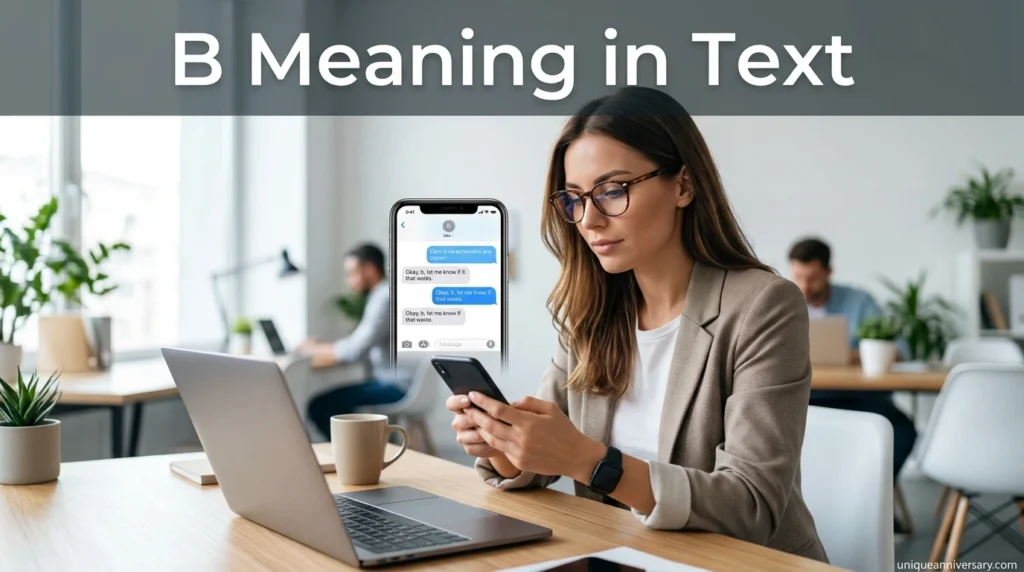
Have you ever stared at a short message on your phone and paused for a second, wondering what a single letter was supposed to mean? Maybe someone replied with just “B,” and suddenly your mind started filling in the blanks. Was it affectionate? Casual? Rude? Friendly? In today’s world of fast texting, social media chats, and online conversations, even one letter can carry emotion, tone, and hidden meaning.
The phrase “B meaning in text” has become increasingly common because digital communication keeps getting shorter and faster. People no longer type long sentences when a single letter or abbreviation can express the same feeling. But while this style of communication saves time, it can also create confusion, misunderstandings, and curiosity.
The letter “B” is especially interesting because it can mean different things depending on context, relationship, tone, and platform. Sometimes it stands for “baby,” sometimes “bro,” and other times it’s simply a casual nickname between friends. Understanding these meanings helps people communicate more confidently and avoid awkward misunderstandings in chats, texts, and social media interactions.
Why the Letter “B” Became Popular in Texting
Text messaging has always encouraged shortcuts. In the early days of SMS, people had limited characters, so shortening words became normal. Over time, abbreviations turned into part of internet culture. Words like “LOL,” “OMG,” and “BRB” became universally recognized. Eventually, even single letters started carrying entire meanings.
The letter “B” became popular because it sounds natural when spoken aloud. It feels quick, casual, and friendly. Typing one letter is easier than typing a full word, especially during fast conversations. Teenagers, online gamers, influencers, and social media users helped spread this style of communication.
Imagine two close friends chatting late at night:
“Goodnight B.”
That tiny letter suddenly feels warm and personal. It creates familiarity without needing extra explanation. In another situation, someone might say:
“What’s up B?”
Now it sounds relaxed and conversational, almost like street slang or friendly banter.
The popularity of “B” also grew through music culture, memes, and online trends. Social media platforms rewarded short, catchy communication styles, and people naturally adapted. Today, “B” appears in texts, Instagram comments, TikTok captions, Snapchat conversations, and even professional chats in very casual environments.
Its flexibility is what keeps it alive. Unlike rigid abbreviations, “B” changes meaning based on emotion and context.
The Most Common Meaning of “B” in Text
In many conversations, “B” is simply shorthand for “baby” or “babe.” This meaning is especially common between romantic partners or people flirting online. It creates a soft, affectionate tone without sounding overly formal.
For example:
- “Miss you B.”
- “Good morning B.”
- “You okay B?”
These messages feel intimate and caring. The single letter works because both people already understand the emotional connection behind it.
When “B” Feels Romantic
In relationships, shortening affectionate nicknames often creates closeness. Couples naturally develop their own communication style. One person may start using “B,” and eventually it becomes part of everyday interaction.
A simple “Love you B” can feel more personal than a fully typed message because it reflects comfort and familiarity.
Why People Prefer Short Forms
Modern communication moves quickly. People multitask while texting, scrolling social media, or replying during busy schedules. Shortening “baby” to “B” saves time while still expressing affection.
It also feels more casual and natural. Long emotional texts sometimes feel intense, but a short “B” keeps conversations light and effortless.
Still, context matters. If someone unfamiliar suddenly calls another person “B,” it may feel strange or overly personal. Tone and relationship always shape interpretation.
“B” as a Friendly Nickname
Not every use of “B” is romantic. In many friend groups, “B” simply means “bro,” “buddy,” or a casual nickname. This usage is especially common among younger people and online communities.
A person might text:
- “You coming tonight B?”
- “That was funny B.”
- “Relax B, it’s not serious.”
In these situations, the letter carries a laid-back energy rather than affection. It acts as social glue, making conversations feel relaxed and informal.
The Influence of Internet Culture
Gaming communities, streaming platforms, and social media helped normalize these casual nicknames. Influencers and content creators often use quick slang terms that audiences copy naturally.
Over time, “B” became part of everyday online vocabulary.
Why It Sounds Friendly
Single-letter nicknames remove distance in conversation. Instead of sounding stiff or formal, they create warmth and familiarity. People often use them unconsciously because they mimic spoken language patterns.
Interestingly, the same message can feel completely different depending on tone:
- “Thanks B ❤️” feels affectionate.
- “Okay B lol” feels playful.
- “Listen B” may sound serious or annoyed.
That flexibility is why interpretation matters so much.
How Context Changes the Meaning of “B”
One of the biggest challenges in texting is the lack of vocal tone and facial expression. A single letter like “B” can completely change meaning depending on surrounding words, emojis, punctuation, and relationship dynamics.
Consider these examples:
- “I got you B 😊”
- “Whatever B.”
- “Miss you B ❤️”
- “Calm down B lol”
Each message creates a different emotional feeling even though the same letter appears every time.
Emotional Context Matters
When emotions are positive, “B” usually feels warm or playful. When tension exists, it can feel dismissive or sarcastic.
For example:
“Sure B.”
Without tone of voice, this could sound teasing, annoyed, or passive-aggressive depending on the situation.
Relationship Determines Interpretation
A romantic partner calling someone “B” feels normal. A coworker using it unexpectedly may feel unprofessional. Meanwhile, close friends might use it constantly without emotional significance.
Digital communication relies heavily on shared understanding. People learn meaning through repeated interaction rather than strict dictionary definitions.
That’s why texting culture often feels confusing to outsiders or older generations.
“B” in Social Media Culture
Social media changed language dramatically. Platforms like TikTok, Snapchat, Instagram, and X encourage quick communication and trendy expressions. The letter “B” fits perfectly into this environment because it’s short, stylish, and adaptable.
Influencers often use “B” in captions:
- “Love y’all B.”
- “Stay safe B.”
- “You know the vibe B.”
Followers then repeat the same language patterns. Eventually, these expressions spread across friend groups and online communities worldwide.
Why Short Texts Perform Better Online
Social media rewards speed and attention. Short captions are easier to read, remember, and share. A single letter feels modern and trendy compared to full formal wording.
People also enjoy creating group identity through language. Using slang makes users feel connected to certain communities or online trends.
The Role of Memes and Music
Music lyrics and viral memes contributed heavily to the rise of “B.” Artists often use shortened speech patterns that fans imitate naturally.
Once slang enters popular culture, it evolves quickly. Meanings expand, shift, and adapt depending on audience and platform.
This constant evolution explains why internet language changes faster than traditional communication.
Generational Differences in Understanding “B”
Not everyone interprets texting slang the same way. Age plays a major role in how people understand digital language.
Younger generations who grew up online usually recognize “B” instantly. Older users may feel confused or unsure about its meaning.
Imagine a parent receiving:
“Thanks B.”
They might wonder:
- Is it disrespectful?
- Is it romantic?
- Is it slang?
Meanwhile, a teenager sees it as completely normal.
How Digital Natives Adapt Faster
People who spend years communicating online develop an instinct for internet language. They learn tone through emojis, abbreviations, and context clues.
This creates an invisible communication system that feels natural within certain age groups.
Why Misunderstandings Happen
Text lacks body language, voice tone, and facial expression. Generational communication habits also differ. Older generations may prefer full sentences and clearer wording, while younger users value speed and informality.
Neither style is wrong. They simply reflect different communication cultures shaped by technology.
Understanding these differences can reduce confusion and improve online interactions between age groups.
Situations Where “B” Can Feel Offensive
Although “B” is often harmless, context can sometimes make it feel disrespectful or dismissive. Tone becomes especially important during arguments, misunderstandings, or emotionally sensitive conversations.
For example:
“Okay B.”
Depending on delivery, this might sound sarcastic or rude.
When Informality Feels Inappropriate
Using casual slang in serious situations can create tension. Imagine someone sharing emotional news and receiving a response like:
“Damn B.”
The person may feel their emotions are being minimized.
Relationship Boundaries Matter
Not everyone likes nicknames or slang. Some people prefer direct communication, especially in professional or formal relationships.
Calling someone “B” too early in a conversation may feel overly familiar or uncomfortable.
The Importance of Reading the Room
Good communication involves emotional awareness. Before using slang, it helps to consider:
- How close is the relationship?
- What is the emotional tone?
- Is the setting casual or serious?
Small choices in wording can dramatically affect how messages are received.
“B” in Romantic Conversations
Romantic texting often creates its own language. Couples shorten names, invent nicknames, and develop unique expressions that feel meaningful only to them. “B” frequently becomes part of this private communication style.
A message like:
“Sleep well B ❤️”
can feel deeply comforting despite being extremely short.
Why Nicknames Build Emotional Connection
Nicknames create emotional intimacy. They signal familiarity, trust, and affection. Even a single letter can become emotionally significant because it represents shared connection.
People often associate these nicknames with positive memories, routines, and emotional safety.
The Power of Simplicity
Long love messages have their place, but short affectionate texts often feel more natural in everyday life. A quick “Thinking of you B” during a busy day can still create emotional warmth.
Digital relationships rely heavily on small consistent gestures rather than dramatic speeches.
When Meaning Evolves Over Time
Sometimes couples start using “B” casually, and eventually it becomes emotionally symbolic. The meaning grows through repeated emotional experiences rather than the letter itself.
This emotional layering is one reason texting language feels surprisingly powerful.
The Psychology Behind Short Text Slang
Human communication constantly seeks efficiency. People naturally shorten frequently used words over time. Linguists call this language evolution, and texting accelerated the process dramatically.
The letter “B” works because the brain quickly fills in missing information based on context.
Why Minimal Communication Feels Personal
Short forms can actually feel more intimate than formal wording. They resemble natural speech patterns between close people.
Compare:
- “Goodnight, baby.”
- “Night B.”
The second feels more casual, modern, and emotionally relaxed.
The Brain Loves Familiar Patterns
Once people repeatedly associate “B” with affection or friendship, the emotional meaning becomes automatic. Readers no longer consciously decode the letter. They instantly understand the emotional intention behind it.
This explains why internet slang spreads rapidly within communities.
Emotional Efficiency in Digital Communication
Modern communication balances speed and emotional connection. People want to express feelings quickly without sounding robotic or overly formal.
Short slang terms solve this problem by compressing emotion into tiny language shortcuts.
Common Misunderstandings About “B”
Because “B” has multiple meanings, misunderstandings happen frequently. One person may intend friendliness while another interprets flirtation or disrespect.
Mistaking Friendliness for Romance
A casual “Thanks B” from a friend may accidentally seem flirtatious to someone unfamiliar with texting slang.
This confusion often appears in online conversations where tone is harder to judge.
Assuming Everyone Understands Slang
Not all users share the same internet culture background. Some people may genuinely not know what “B” means, especially across different age groups or countries.
Overanalyzing Simple Messages
Sometimes people read too deeply into short texts. A single “B” might simply reflect typing habits rather than hidden emotional meaning.
Digital communication encourages overthinking because people cannot hear tone or see facial expressions.
The healthiest approach is usually to consider the broader conversation rather than obsessing over one word or letter.
How Different Platforms Influence Meaning
The meaning of “B” can shift slightly depending on where it appears online.
Snapchat and Casual Messaging
On Snapchat, “B” often feels playful and relaxed. Conversations move quickly, and slang dominates communication.
Instagram Comments
On Instagram, “B” frequently appears in supportive or friendly comments:
- “You look amazing B.”
- “Proud of you B.”
The tone is usually positive and social.
Gaming Communities
Gamers may use “B” casually during fast-paced communication. In these spaces, efficiency matters more than grammar.
Professional Messaging Apps
In work-related chats, using “B” may feel unprofessional unless strong casual familiarity already exists.
Platform culture shapes expectations. What feels normal on TikTok might feel strange in a workplace email or formal group chat.
Practical Tips for Understanding Text Slang Like “B”
Texting slang becomes easier to understand when people focus on context instead of isolated words.
Look at the Entire Conversation
Never interpret “B” alone. Read surrounding messages, emojis, and emotional tone first.
Consider the Relationship
Ask yourself:
- Is this person a friend?
- Romantic partner?
- Online acquaintance?
- Coworker?
Relationship dynamics strongly influence meaning.
Watch for Emojis and Punctuation
Small details matter:
- “B ❤️” feels affectionate.
- “B 😂” feels playful.
- “B.” may feel cold or serious.
Don’t Panic Over Ambiguity
Not every short message hides deep emotional meaning. Many people use slang casually without overthinking it.
Ask Directly if Needed
If confusion genuinely matters, simple communication works best: “What do you mean by B?”
Clear conversation prevents unnecessary assumptions and misunderstandings.
The Future of Short Text Communication
Language never stays still. Internet communication continues evolving at incredible speed. New slang appears constantly while older expressions fade away.
The letter “B” reflects a larger trend toward compressed emotional communication. People increasingly rely on symbols, abbreviations, emojis, and shorthand to express feelings quickly.
Will Slang Keep Getting Shorter?
Probably. Modern platforms encourage fast interaction, and younger generations adapt creatively. Future slang may become even more visual and symbolic.
Why Human Emotion Still Matters
Even though communication becomes shorter, emotional connection remains central. People still want affection, humor, friendship, and understanding. Slang simply changes the packaging.
A tiny message can still carry real emotional weight.
Digital Language as Cultural Identity
Online language helps people feel connected to communities, trends, and social groups. Using slang becomes part of identity and belonging.
Understanding terms like “B” is less about memorizing definitions and more about understanding human interaction in the digital age.
Conclusion
Understanding the “B meaning in text” goes far beyond translating a single letter. It reveals how modern communication has evolved into something faster, more emotional, and deeply shaped by internet culture. Depending on context, “B” can mean affection, friendship, playfulness, familiarity, or simply casual conversation. The real meaning often depends on tone, relationship, platform, and emotional context rather than the letter itself.
As texting continues shaping everyday communication, learning these subtle digital expressions becomes increasingly important. Small slang terms may seem insignificant, but they influence how people connect, misunderstand, flirt, joke, and express care online. Instead of focusing only on strict definitions, it helps to pay attention to the bigger picture of conversation and human interaction.
In the end, “B” is more than a shortcut. It’s a tiny example of how language adapts to modern life while still carrying emotion, personality, and connection in surprisingly powerful ways.
FAQs
What does “B” usually mean in text messages?
“B” commonly means “baby,” “babe,” “bro,” or a casual nickname depending on the relationship and context of the conversation.
Is calling someone “B” flirtatious?
Sometimes. In romantic conversations, “B” often sounds affectionate or flirtatious. However, friends also use it casually, so context matters.
Why do people shorten words to “B”?
People shorten words for speed, convenience, and a more casual texting style. It also creates familiarity and relaxed communication.
Can “B” be rude in texting?
Yes, depending on tone and situation. During arguments or serious conversations, “B” may sound dismissive or sarcastic.
Do different generations understand “B” differently?
Absolutely. Younger generations familiar with internet slang usually understand it quickly, while older users may find it confusing or unclear.
Does “B” mean the same thing on every platform?
Not always. The tone and meaning can shift slightly across Snapchat, TikTok, Instagram, gaming chats, and professional messaging apps.
Should I use “B” in professional conversations?
Generally, no. Unless you already have a very casual relationship with someone, it’s better to avoid slang like “B” in professional communication.
How can I tell what “B” means in a message?
Look at the full conversation, emojis, relationship, and emotional tone. Context is the key to understanding the intended meaning.